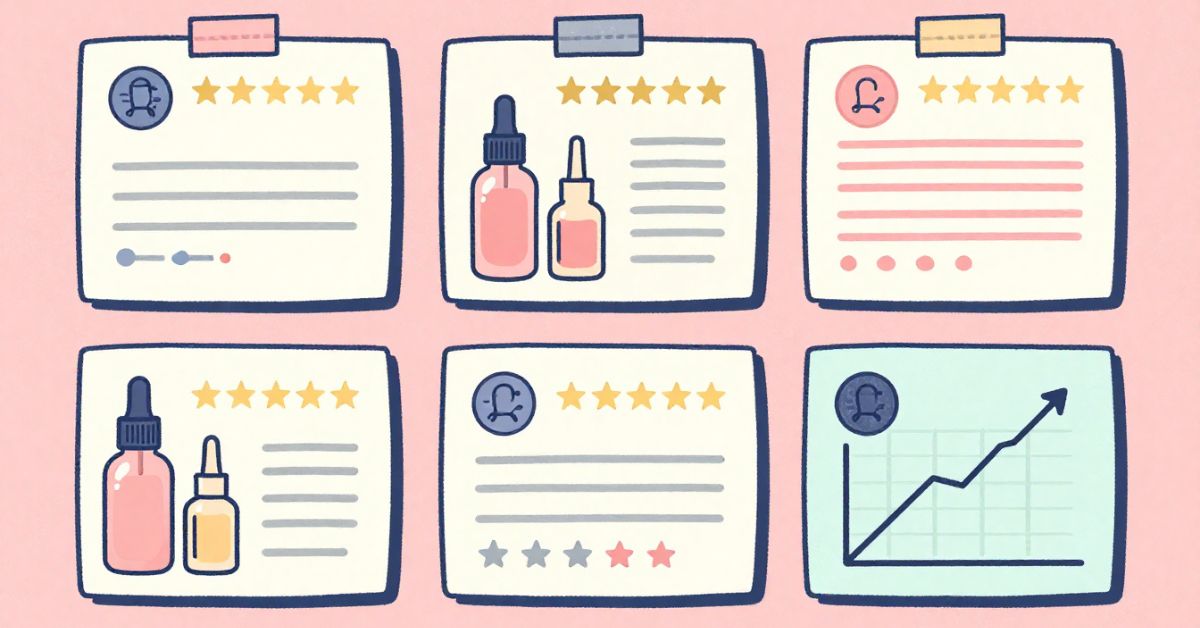
A beauty reviews dataset is a structured collection of customer feedback, ratings, and review metadata sourced from e-commerce platforms and beauty retailers. It captures how real consumers evaluate skincare, makeup, haircare, and cosmetic products after actual use.
Instead of manually reading individual reviews, brands use datasets to analyze patterns, sentiment trends, and recurring issues across thousands of products at scale. This makes decision-making faster, more objective, and grounded in real consumer behavior.
What Data Is Included in a Beauty Reviews Dataset?
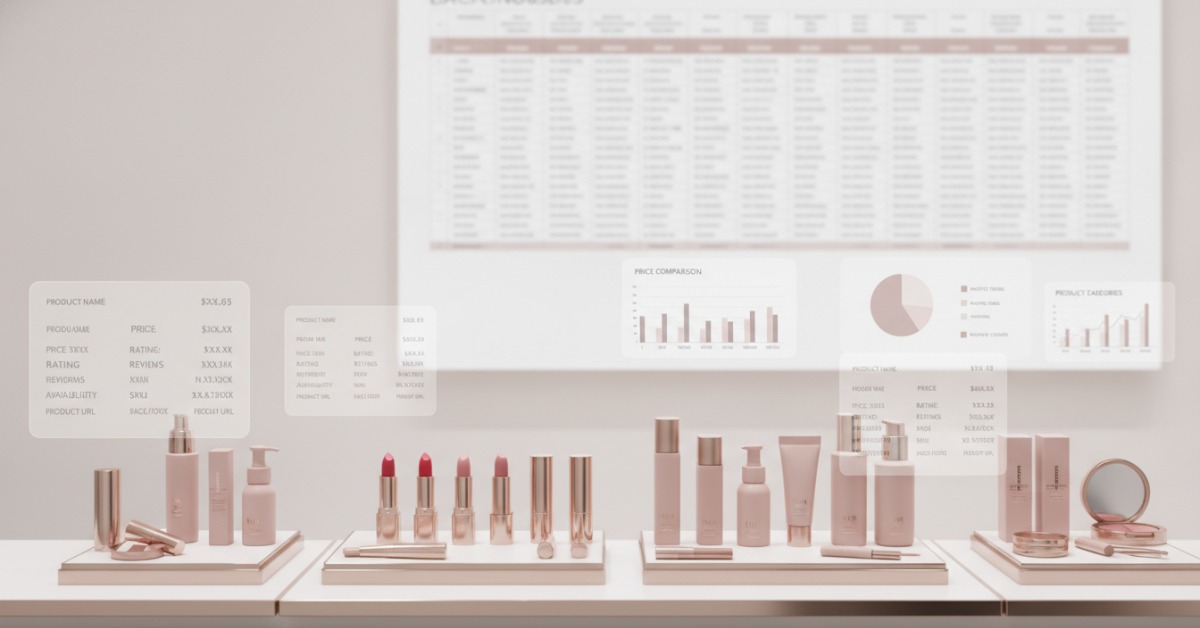
A high-quality beauty reviews dataset typically includes both qualitative and quantitative attributes, such as:
- Product name, brand, and category
- Review title and full review text
- Star rating or score
- Review date and update history
- Platform or retailer source
- Verified purchase indicators
- Tags for skincare, makeup, haircare, or cosmetic type
The BeautyFeeds beauty reviews datasets are structured so teams can filter, segment, and analyze feedback across brands, categories, and time periods without manual cleanup.
Why Do Beauty Brands Use Beauty Reviews Data?
Beauty is a perception-driven category. Reviews directly influence purchase decisions and brand trust.
Brands rely on beauty reviews data to:
- Understand what customers actually experience after purchase
- Identify repeated complaints before they impact reputation
- Measure satisfaction beyond sales metrics
- Validate whether product claims align with consumer reality
Reviews often reveal issues that do not appear in internal testing or surveys.
How Can Beauty Reviews Datasets Improve Product Development?
Beauty reviews datasets give product teams direct visibility into real-world usage feedback.
They help teams:
- Detect irritation, breakouts, or sensitivity concerns
- Understand texture, absorption, fragrance, or finish issues
- Identify gaps between product positioning and actual performance
- Prioritize formulation changes based on frequency and severity
This shortens feedback loops and reduces the risk of repeat product failures.
How Do Brands Analyze Consumer Sentiment Using Reviews?
Sentiment analysis turns unstructured review text into measurable signals.
Using a structured beauty reviews dataset, brands can:
- Classify sentiment as positive, neutral, or negative
- Track sentiment changes after launches or reformulations
- Compare sentiment across similar products or competitors
- Identify early warning signs of dissatisfaction
This allows teams to move from anecdotal feedback to statistically meaningful insights.
Can Beauty Reviews Data Support Competitive Analysis?
Yes. Beauty reviews data is a powerful competitive intelligence source.
Brands analyze competitor reviews to:
- Compare ratings and sentiment for similar SKUs
- Identify common pain points competitors fail to solve
- Discover opportunities for differentiation
- Understand why consumers switch brands
This insight supports smarter product positioning and go-to-market strategies.
How Is Beauty Reviews Data Different From Social Media Listening?
Social media content reflects opinions and conversations. Reviews reflect usage and outcomes.
Key differences include:
- Reviews are tied to actual purchases
- Ratings provide standardized benchmarks
- Review platforms capture post-use feedback
- Review data is easier to quantify and compare
For research and product decisions, reviews offer higher signal reliability than social posts.
Who Uses Beauty Reviews Datasets Within a Company?
Beauty reviews datasets are used across functions, including:
- Product and R&D teams for formulation insights
- Marketing teams for claim validation and messaging
- Consumer insights teams for trend analysis
- Ecommerce teams for conversion and merchandising optimization
One dataset can support multiple teams without duplication or manual effort.
How Often Should Beauty Reviews Data Be Updated?
Consumer feedback changes continuously as products launch, formulas change, and trends shift.
Best practice includes:
- Regular data refreshes
- Incremental updates for new reviews
- Retention of historical reviews for trend comparison
Up-to-date data ensures insights reflect current consumer expectations.
Where Can Brands Access Reliable Beauty Reviews Datasets?
Reliable datasets require consistent sourcing, structured formatting, and scalable coverage across brands and categories.
If your team needs structured access to large-scale beauty product feedback, explore beauty reviews datasets built for research, analytics, and business intelligence use cases.
How Do Beauty Reviews Datasets Drive Data-Led Growth?
Brands that rely on beauty review datasets reduce guesswork and move faster.
They gain:
- Clear visibility into consumer satisfaction drivers
- Faster identification of product risks
- Stronger alignment between products and market needs
- Better prioritization across product, marketing, and insights teams
To work with structured, analysis-ready consumer feedback, explore beauty reviews datasets fromBeauty Feeds and start making decisions based on how customers actually experience your products.