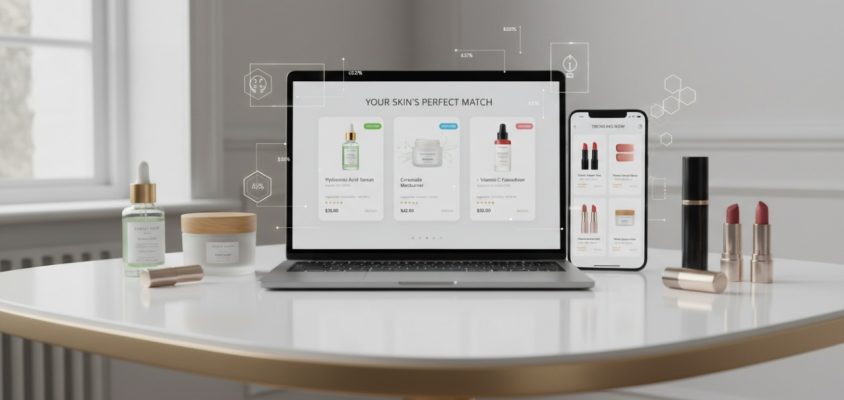
Beauty shoppers expect relevant recommendations fast. That only happens when brands and e-commerce platforms have access to structured beauty data. From ingredient lists to shade ranges and skin-type labels, structured beauty data helps recommendation systems understand products clearly, compare them…



The beauty industry moves fast. Customer preferences, ingredient trends, packaging expectations, and product complaints change constantly. Brands that analyze competitor review data can identify beauty market gaps before competitors react. Review analysis helps businesses understand what customers want, what frustrates…

Beauty review data has become one of the most valuable sources of ecommerce intelligence. Ecommerce analysts use beauty reviews datasets to understand customer behavior, identify product issues, improve conversion rates, and predict buying trends. With millions of skincare, makeup, and…
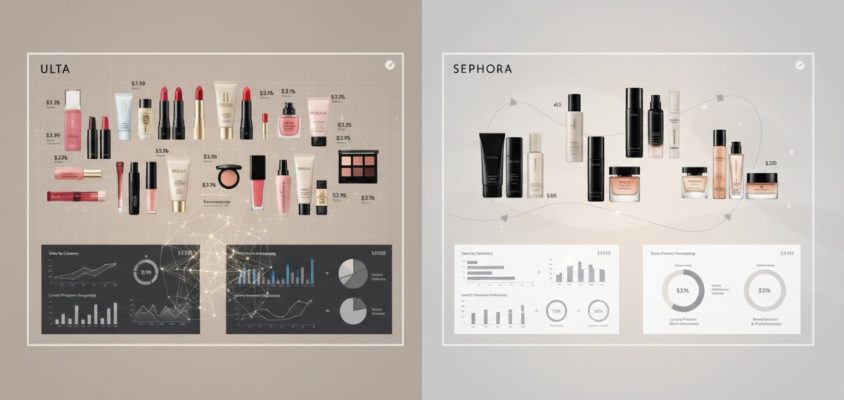
When comparing Ulta vs Sephora dataset value, Ulta often provides richer insights due to its pricing diversity, wider customer base, and omnichannel data. For businesses analyzing beauty retail trends, Ulta’s dataset offers more actionable signals for segmentation, pricing strategy, and…
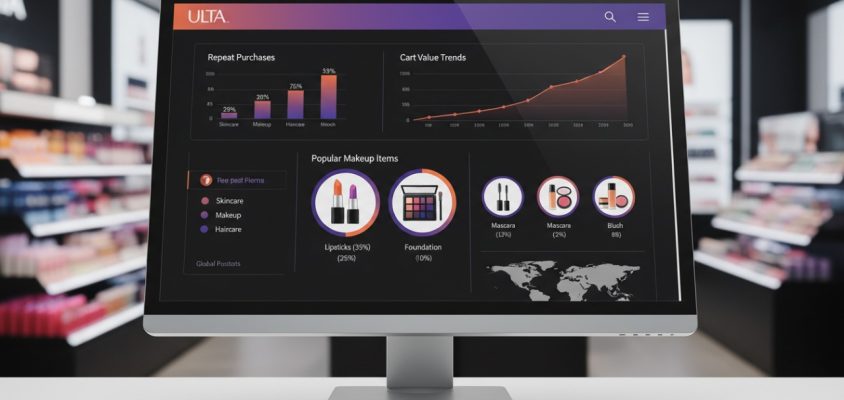
You can spend months surveying beauty shoppers, or you can let the data tell you what they already did. Ulta Beauty’s product catalog, pricing history, ratings, reviews, and availability data contains dense behavioral signals. Every rating is a vote. Every…
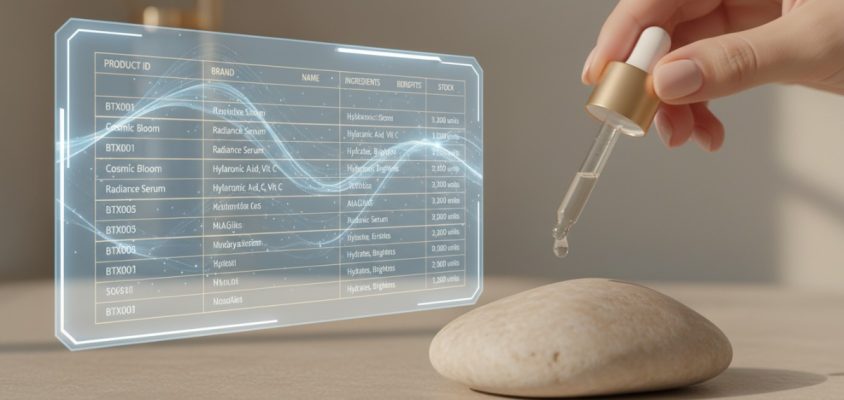
A shopper lands on your site. They have combination skin, hate fragrance, want clean beauty under $40, and have already returned two moisturizers this year. Your product page shows them your bestsellers. That’s the gap AI personal shoppers are built…
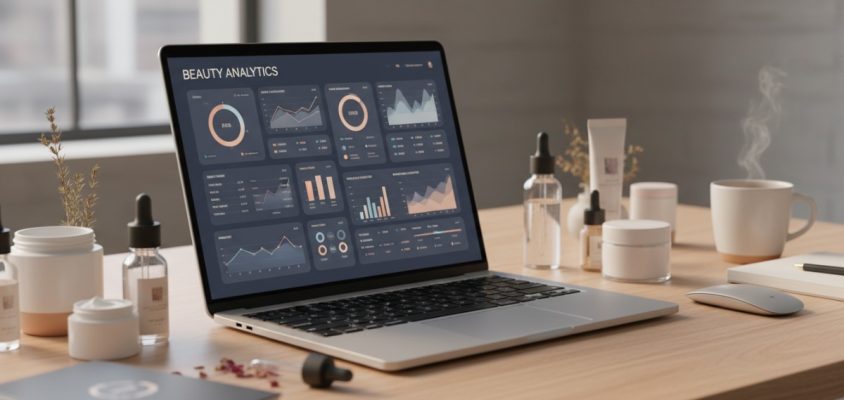
You’re making product, pricing, and catalog decisions every week. Most of those decisions are based on gut instinct, internal sales history, or what a competitor happens to be doing publicly. That’s not a strategy. That’s the reaction. Beauty datasets change…
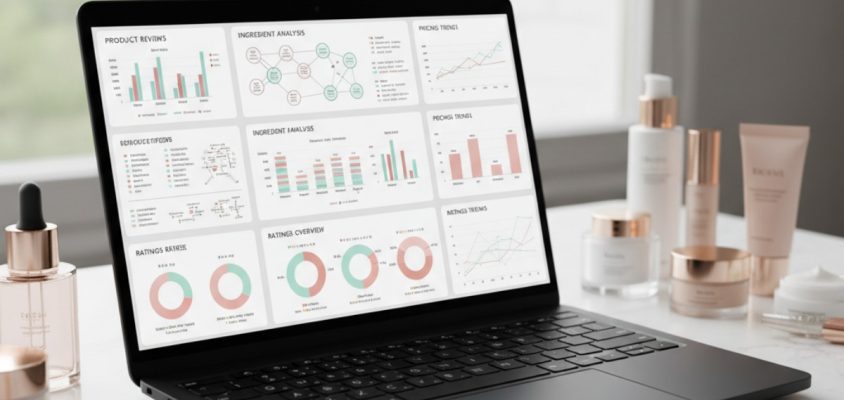
Most people grab a skincare dataset, run a few filters, and call it analysis. They miss 90% of what’s actually there. A well-structured skincare products dataset is one of the most underrated sources of market intelligence available right now. It…
Beauty brands rely on accurate product data to make better decisions about product development, pricing, and market positioning. A structured beauty product dataset helps teams analyze ingredients, pricing patterns, product performance, and customer demand. Tracking the right data points ensures…
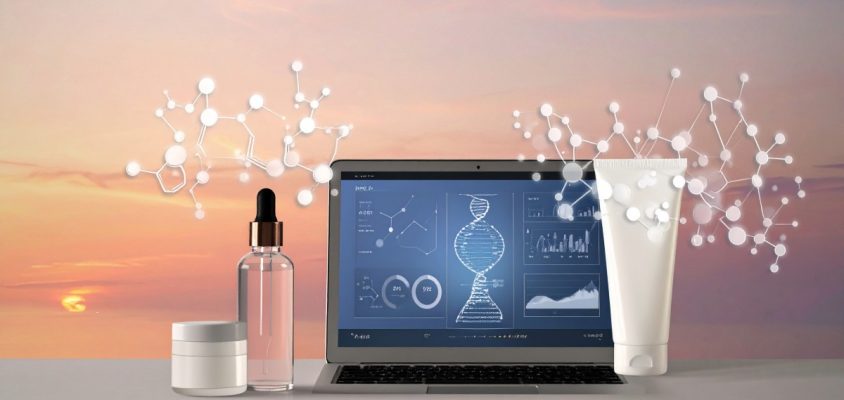
Yes. With a structured skincare dataset, brands can forecast ingredient demand, identify breakout categories, and track pricing shifts before trends peak. By combining product listings, ingredient data, and reviews, companies turn raw beauty data into measurable growth signals. The real…