




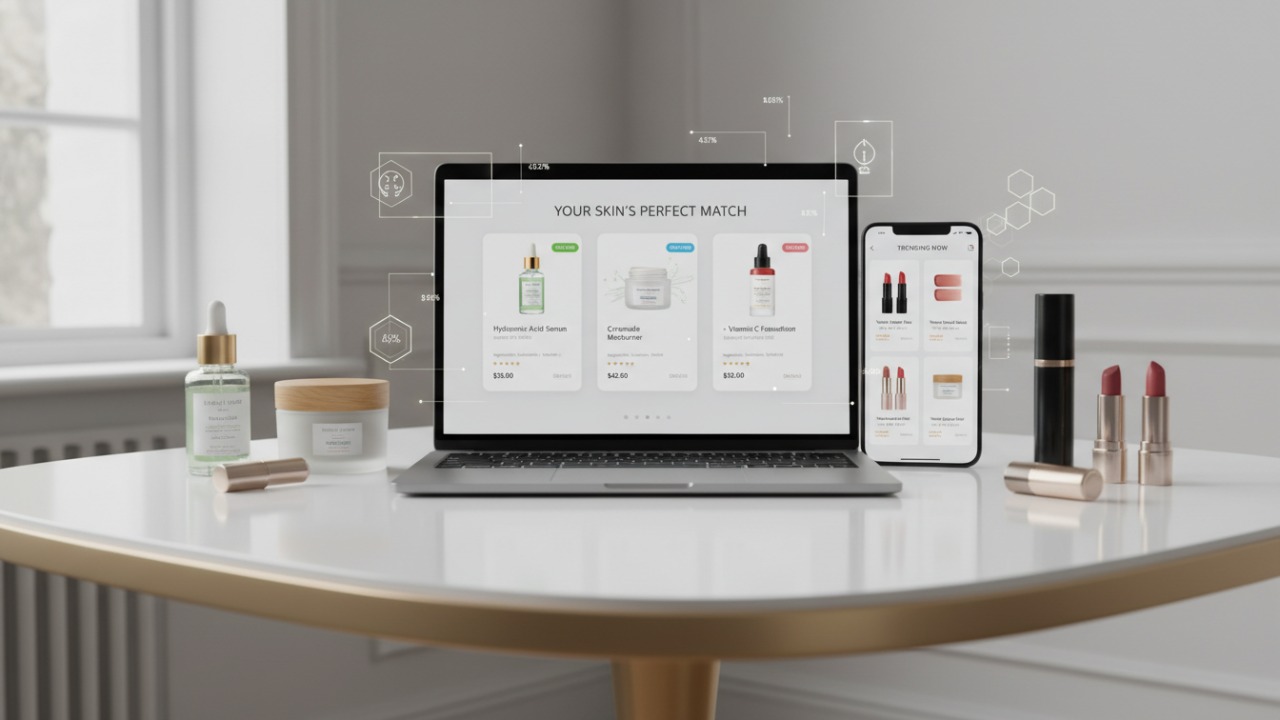
Beauty shoppers expect relevant recommendations fast.
That only happens when brands and e-commerce platforms have access to structured beauty data.
From ingredient lists to shade ranges and skin-type labels, structured beauty data helps recommendation systems understand products clearly, compare them accurately, and serve more relevant suggestions to shoppers.
For beauty brands, marketplaces, and retail tech teams, better recommendations often start with better data.
What Is Structured Beauty Data?
Structured beauty data is beauty product information organized into a clean and consistent format.
Instead of relying on scattered descriptions or incomplete listings, every product follows the same structure.
This typically includes:
- Product name
- Brand
- Category
- Ingredients
- Skin type compatibility
- Hair type compatibility
- Shade range
- Texture
- Finish
- Fragrance
- Price
- Ratings and reviews
- Availability
For example:
A moisturizer described only as “hydrating face cream” gives limited context.
But when the same product is tagged with:
- Oily skin
- Niacinamide
- Fragrance-free
- Lightweight gel texture
- Dermatologist tested
The product becomes easier to match with shopper preferences.
That is where structured beauty data creates real value.
Why Beauty Recommendations Often Miss the Mark
Beauty shopping is highly personal.
A shopper buying lipstick may care about:
- undertone
- finish
- long wear
- transfer resistance
- vegan ingredients
A skincare shopper may filter by:
- acne-prone skin
- active ingredients
- sensitivity
- price
- product size
Without structured fields, recommendation engines rely on weak descriptions or unorganized review text.
That often leads to:
- Irrelevant product suggestions
- Poor shade matching
- Duplicate recommendations
- Missed cross-sell opportunities
- Lower conversions
In many cases, the issue is not the recommendation engine.
It is inconsistent product data.
How Structured Beauty Data Improves Recommendation Accuracy
1. Better Product Matching
With structured beauty data, systems compare products using actual attributes.
Example:
A shopper searches for:
“Fragrance-free serum with hyaluronic acid for dry skin.”
Structured fields instantly match:
- ingredient = hyaluronic acid
- fragrance = no
- skin type = dry
The result is more relevant recommendations and fewer mismatches.
2. More Personalized Beauty Shopping Recommendations
Personalization improves when beauty product data is tagged consistently.
Recommendation systems can consider:
- Past purchases
- Favorite brands
- Skin concerns
- Shade preferences
- Review behavior
If someone frequently buys gel moisturizers for sensitive skin, structured beauty data helps surface better alternatives or complementary products faster.
3. Smarter Ingredient-Based Recommendations
Ingredient transparency matters.
Customers often search by:
- retinol
- ceramides
- peptides
- sulfate-free formulas
- fragrance-free skincare
With structured product attributes, platforms can recommend:
- ingredient alternatives
- complementary products
- product dupes
- premium upgrades
This improves product discovery and increases cart value.
4. Better Shade and Variant Accuracy
Beauty products often include many variants.
Examples:
- foundation shades
- lipstick tones
- concealer undertones
- hair dye colors
Without organized variant data, recommendations become unreliable.
With structured beauty data, platforms can understand:
- shade family
- undertone
- finish
- coverage level
That creates more relevant results and fewer returns.
Beauty Feeds Sample Datasets for Structured Beauty Data
Brands and e-commerce teams looking for reliable beauty product datasets can explore BeautyFeeds.io.
Popular sample datasets include:
- Sephora beauty product dataset for beauty catalog analysis and product benchmarking
- Ulta beauty dataset for reviews, pricing, and assortment comparisons
- Beauty product review datasets for ingredient trends and customer sentiment analysis
These structured datasets help teams build stronger recommendation systems with cleaner product intelligence.
Structured Beauty Data and the Future of Beauty Shopping
As ecommerce personalization improves, structured product information becomes even more important.
Recommendation systems increasingly depend on clean beauty attributes such as:
- Ingredient-based filters
- Shade-level matching
- Skin concern categories
- Personalized product discovery
For a deeper look at this trend, read how beauty datasets power the next generation of AI personal shoppers.
That article explains how beauty datasets improve product discovery and recommendation accuracy across digital commerce.
This directly connects with structured beauty data.
Because accurate recommendations begin with clean, standardized product signals.
Final Thoughts
Better recommendations need better data.
That is why structured beauty data matters.
It helps platforms understand products more clearly.
It improves product matching.
Supports personalization.
And helps beauty shoppers find more relevant products faster.
For brands managing large product catalogs, structured beauty data supports a stronger ecommerce experience and smarter product discovery at scale.