




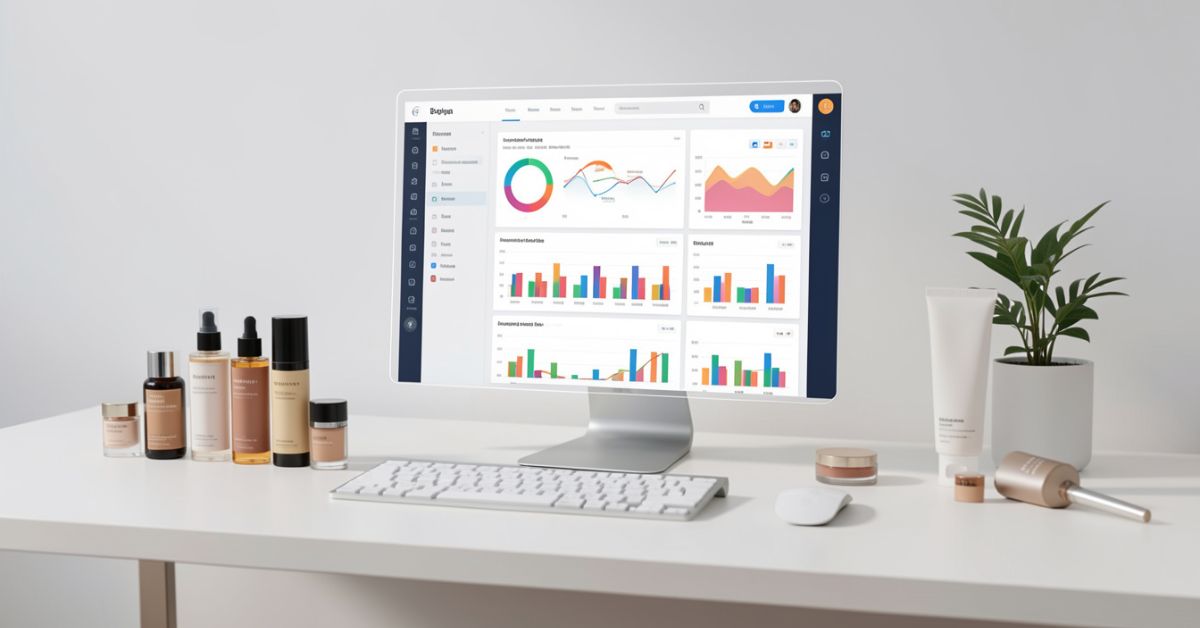
How do leading beauty brands decide what to launch, price, and promote? They rely on product data. How beauty brands use product data for growth decisions directly impacts revenue, market share, and profitability. From pricing intelligence to trend forecasting, structured product data drives faster, more accurate growth strategies.
What Is Product Data in the Beauty Industry?
Product data refers to structured information about cosmetic and personal care products across online marketplaces and retailer websites.
This includes:
- Product titles and descriptions
- Ingredient lists
- Pricing history
- Ratings and reviews
- Stock availability
- Category placements
- Variant information such as shade or size
For beauty brands, product data is not just operational information. It is a strategic growth asset.
Understanding how beauty brands use product data for growth decisions starts with recognizing that every SKU generates signals. Those signals reveal demand patterns, competitor positioning, and customer sentiment.
How Beauty Brands Use Product Data for Pricing Strategy
Pricing is one of the fastest levers for growth.
How beauty brands use product data for growth decisions in pricing includes:
1. Competitive Price Benchmarking
Brands track competitor pricing across:
- Marketplaces
- Direct-to-consumer websites
- Retail platforms
This prevents underpricing and protects premium positioning.
2. Discount Monitoring
Product data reveals:
- Frequency of competitor discounts
- Average markdown percentages
- Promotional timing
Brands use this insight to optimize promotional calendars without eroding margins.
3. Dynamic Pricing Decisions
Historical price data helps brands:
- Identify elasticity
- Detect price wars
- Adjust pricing by channel
This makes pricing data-driven instead of reactive.
How Beauty Brands Use Product Data for Product Launch Decisions
Launching the wrong product is expensive.
How beauty brands use product data for growth decisions before launch includes analyzing:
Market Gaps
Brands examine:
- Missing shades in foundation ranges
- Ingredient demand spikes
- Underserved categories
If vitamin C serums show rising search visibility and positive reviews across competitors, that signals opportunity.
Review Sentiment Analysis
Customer reviews expose:
- Pain points
- Texture complaints
- Packaging issues
- Ingredient concerns
Instead of guessing, brands build products that directly solve existing dissatisfaction.
Trend Acceleration
Product data shows velocity:
- SKU growth in specific categories
- Rapid review accumulation
- Increasing stock-outs
High sell-through rates validate product-market fit before brands invest heavily.
How Beauty Brands Use Product Data for Demand Forecasting
Inventory mistakes hurt both revenue and brand perception.
How beauty brands use product data for growth decisions in forecasting includes:
Stock Availability Tracking
Brands monitor:
- Competitor stock-outs
- Refill frequency
- Regional demand shifts
Frequent out-of-stock signals strong demand.
Seasonal Pattern Analysis
Historical product data reveals:
- Holiday demand spikes
- Festival-based buying cycles
- Summer vs winter category shifts
This informs procurement and production planning.
Channel Performance Comparison
Brands compare:
- Marketplace vs DTC velocity
- Retail vs online sell-through
This ensures inventory allocation matches demand concentration.
How Beauty Brands Use Product Data for Competitive Intelligence
Growth requires context.
How beauty brands use product data for growth decisions also includes deep competitive tracking.
Assortment Expansion Monitoring
Brands track:
- New SKU additions
- Shade expansions
- Limited-edition releases
This identifies aggressive expansion moves by competitors.
Category Share Estimation
By tracking:
- Number of SKUs per brand
- Review volume
- Pricing tiers
Brands estimate relative visibility and category dominance.
Unauthorized Seller Detection
Product data helps detect:
- Gray-market listings
- Price undercutting
- Counterfeit risks
This protects brand equity.
How Beauty Brands Use Product Data for Marketing Optimization
Marketing without data wastes budget.
How beauty brands use product data for growth decisions in marketing includes:
High-Converting SKU Identification
Products with:
- High ratings
- Strong review growth
- Stable pricing
Become ideal candidates for paid media scaling.
Keyword and Listing Optimization
Product titles and descriptions across competitors reveal:
- Common keyword patterns
- Ingredient-focused messaging
- Benefit-driven claims
Brands refine product copy accordingly.
Influencer and Social Alignment
When product data shows strong review traction, brands amplify those SKUs through:
- Influencer partnerships
- Paid social campaigns
- Bundled promotions
This multiplies proven demand.
Why Product Data Is Now a Core Growth Asset
The beauty industry moves fast.
New launches appear weekly. Consumer preferences shift quickly. Marketplace competition intensifies.
How beauty brands use product data for growth decisions determines whether they lead or react.
Data-backed brands:
- Reduce launch failure risk
- Improve pricing precision
- Forecast demand accurately
- Identify trend inflection points early
- Protect margins and brand positioning
Without structured product data, decision-making becomes speculative.
What Happens Without Product Data?
Brands that ignore product data often face:
- Delayed market response
- Pricing inconsistencies
- Inventory imbalances
- Missed trend opportunities
- Increased dependency on intuition
In a saturated beauty market, intuition alone is not a growth strategy.
Final Takeaway: Growth Follows Data
How beauty brands use product data for growth decisions is no longer optional. It is foundational.
From pricing and product development to forecasting and marketing, product data turns signals into strategy.
The brands winning market share today are not guessing. They are analyzing structured product data daily, acting on real-time insights, and building systems around measurable demand.
If your team needs structured, real-time beauty product intelligence across retailers and marketplaces, explore beauty feeds product data solutions to power smarter growth decisions. Access reliable datasets, monitor competitors, and scale with confidence.
Growth is not random. It follows product data.