



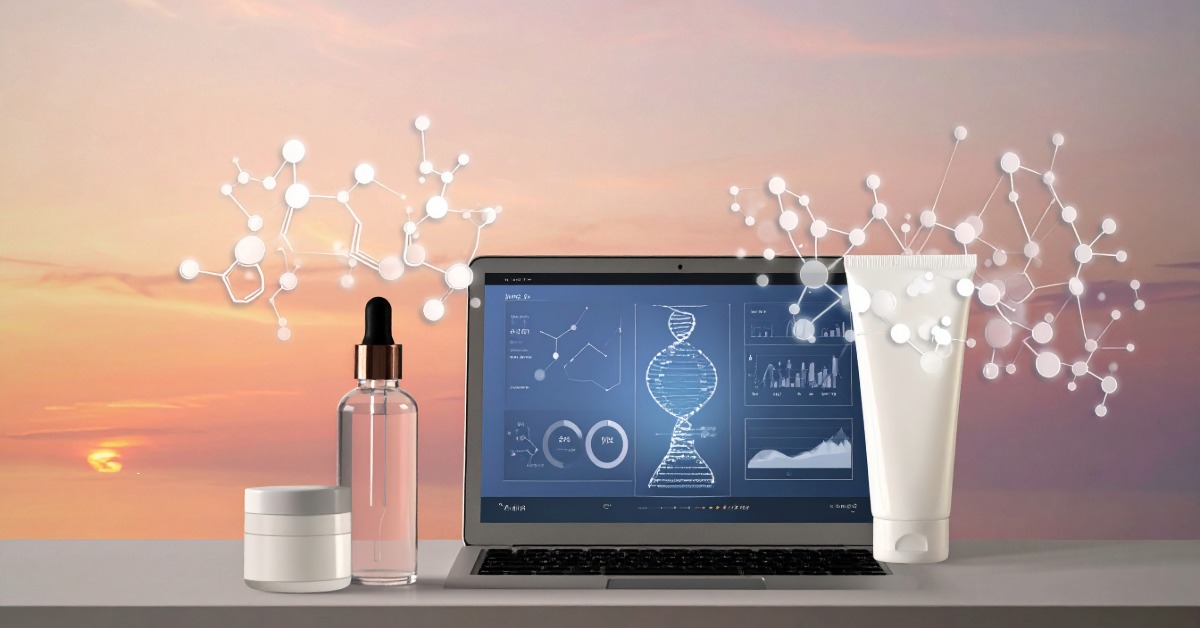
Yes. With a structured skincare dataset, brands can forecast ingredient demand, identify breakout categories, and track pricing shifts before trends peak. By combining product listings, ingredient data, and reviews, companies turn raw beauty data into measurable growth signals.
The real question is not whether it can be done. It is whether your brand is using the right data.
What Is a Skincare Dataset and Why Does It Matter?
A skincare dataset is a structured collection of product-level information across brands, marketplaces, and retailers.
It typically includes:
- Product names and variants
- Brand and category tags
- Price changes
- Ratings and reviews
- Ingredient lists
- Claims such as “dermatologist-tested” or “fragrance-free”
When enriched properly, a skincare products dataset becomes a forecasting engine. It shows what is gaining traction and what is fading.
Instead of reacting to competitors, brands can act early.
How a Skincare Products Dataset Reveals Market Shifts
Trends rarely appear overnight. They build gradually across:
- New product launches
- Increased mentions in reviews
- Pricing experiments
- Influencer-driven spikes
A comprehensive skincare products dataset captures these micro-signals.
For example:
- A sudden increase in niacinamide-based serums
- More SKUs labeled “barrier repair”
- Rising price bands in clinical-grade moisturizers
This is where skincare product analysis becomes critical. When product attributes are tracked weekly or monthly, patterns become visible long before they hit mainstream headlines.
The Role of a Skincare Ingredients Dataset in Trend Forecasting
Ingredients drive skincare demand. Not packaging. Not branding.
A detailed skincare ingredients dataset helps brands:
- Track usage frequency of specific ingredients
- Identify combinations gaining popularity
- Monitor regulatory-driven reformulations
For instance, if “ceramides + peptides” appear together in 20% more new launches over three months, that is not random. It signals formulation strategy shifts.
Tracking active ingredients across categories such as serums, sunscreens, and cleansers helps brands:
- Spot over-saturation
- Identify white space
- Predict which ingredient will dominate next season
Ingredient-level intelligence is often more powerful than category-level analysis.
Using a Skincare Market Dataset to Predict Demand
A skincare market dataset combines product data with:
- Sales velocity indicators
- Regional distribution
- Category growth rates
- Discount frequency
This broader lens answers strategic questions:
- Are anti-aging products growing faster than hydration?
- Is sunscreen innovation accelerating in specific regions?
- Are premium price tiers expanding?
When merged with a skincare dataset, market-level analysis helps brands allocate budget more effectively.
Instead of guessing where to invest, teams rely on evidence.
Practical Example. From Data to Trend Prediction
Consider this scenario.
You analyze your skincare dataset and observe:
- A 35% increase in products labeled “microbiome-friendly”
- Higher average ratings for probiotic formulations
- A steady rise in “sensitive skin” targeting
At the same time, your skincare ingredients dataset shows increased inclusion of fermented extracts.
This signals:
- Growing consumer awareness
- Demand for barrier-focused products
- Opportunity to expand probiotic lines
That is predictive intelligence in action.
It is not speculation. It is structured skincare product analysis.
What Makes a High-Quality Skincare Dataset?
Not all datasets are equal.
A reliable skincare dataset should offer:
- Clean and normalized ingredient taxonomy
- SKU-level tracking
- Historical price and rating changes
- Marketplace coverage
- Structured claims classification
If your skincare products dataset lacks historical depth, trend prediction becomes reactive.
If your skincare ingredients dataset is inconsistent, ingredient trend mapping becomes unreliable.
Data quality defines forecasting accuracy.
How Brands Use Skincare Product Analysis Strategically
Data-driven brands use skincare product analysis to:
- Identify emerging categories
- Optimize product positioning
- Refine pricing strategy
- Inform R&D roadmaps
- Strengthen competitive intelligence
They do not rely solely on social buzz.
They validate trends using their skincare market dataset.
This reduces risk when launching new SKUs.
It also improves speed to market.
Common Data-Driven Skincare Trends Emerging Today
Based on large-scale skincare dataset analysis, recent growth patterns often include:
- Barrier repair formulations
- Minimalist ingredient lists
- Hybrid skincare-makeup products
- SPF innovation across categories
- High-performance clinical claims
Behind each trend lies measurable movement in active ingredients, product launches, and review sentiment.
Data confirms what intuition suspects.
Why Beauty Brands Need Structured Data Now
The skincare market is saturated.
Thousands of SKUs launch every year.
Without a centralized skincare dataset, brands face:
- Fragmented competitive insights
- Delayed reaction to ingredient shifts
- Poor pricing benchmarks
Structured datasets eliminate blind spots.
They convert raw product information into predictive advantage.
Get Access to Ready-to-Use Skincare Datasets
If you want to test how predictive analysis works in practice, explore the sample datasets available at BeautyFeeds.
Beauty Feeds provides structured:
- skincare dataset
- skincare products dataset
- skincare ingredients dataset
- skincare market dataset
You can review real-world product data and evaluate how it supports advanced skincare product analysis.
Access sample datasets here:
https://beautyfeeds.io/sample-datasets/
Data-driven strategy is no longer optional. It is foundational.
Final Takeaway
Yes, trend prediction in skincare is possible.
But it depends on structured, high-quality data.
A robust skincare dataset combined with ingredient-level and market-level intelligence gives brands clarity.
The brands that win are not the loudest. They are the most informed.